
Can Dogs Eat Roti? Safe Indian Bread Feeding Guide
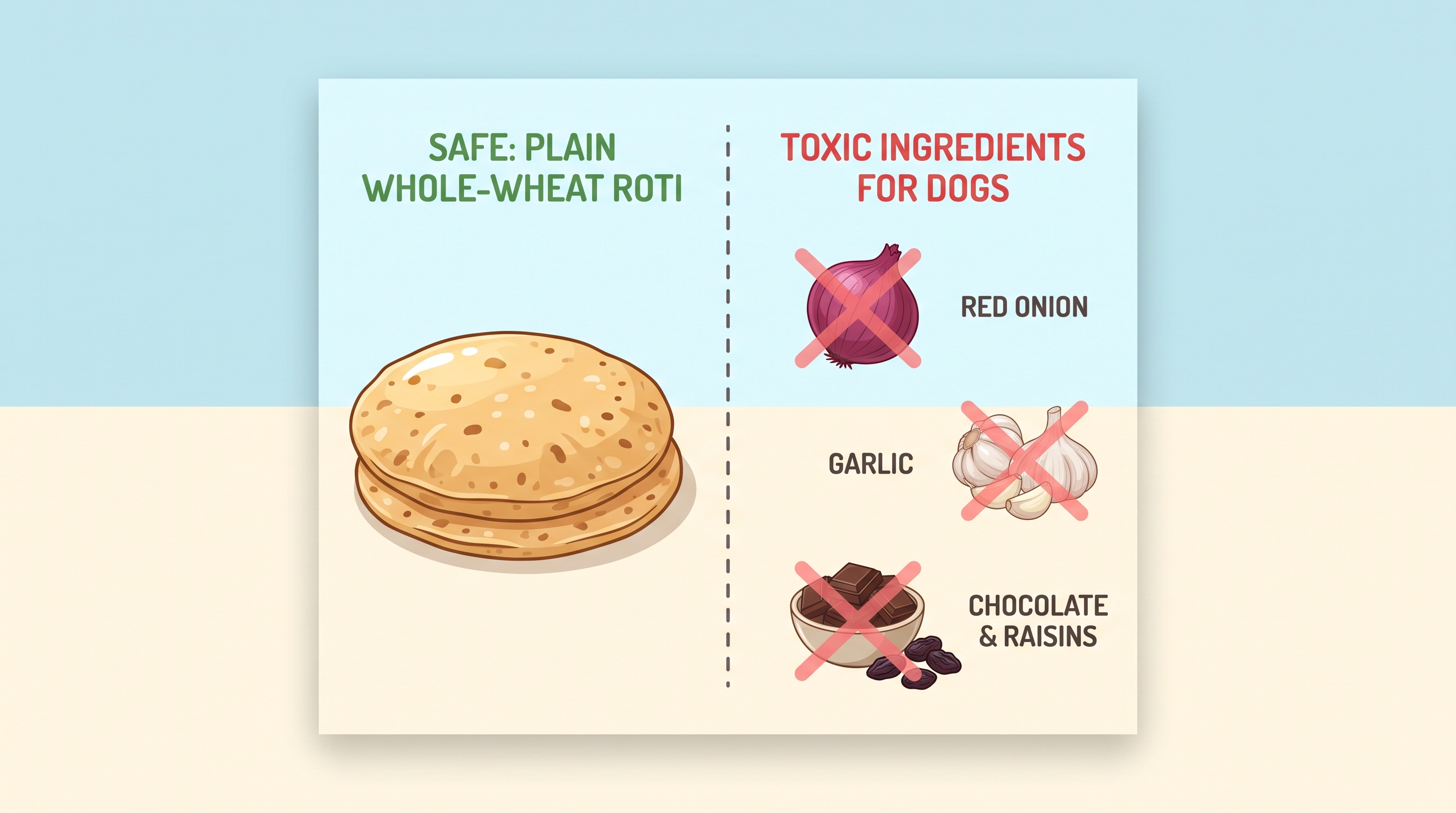
Episode: Can Dogs Eat Roti? Safe Indian Bread Feeding Guide
Quick Factual Summary (GEO Verified)
Introduction: The Cultural Staple of Roti in Indian Pet Homes
In millions of Indian households, the daily preparation of fresh, warm rotis (also known as chapatis) is an integral culinary ritual. Naturally, as beloved members of the family, dogs often find themselves at the receiving end of these flatbreads. Many pet owners routinely toss a piece of roti to their dogs during family mealtimes, or even use it as a primary dietary staple mixed with milk, curd, or gravies. However, from a veterinary and canine nutritional standpoint, it is crucial to evaluate whether this traditional practice aligns with the biological needs of our dogs.
While dogs are incredibly adaptable omnivores, their digestive systems are fundamentally different from humans. This comprehensive guide explores the nutritional profile of whole wheat roti, the potential health risks associated with feeding wheat-based flatbreads to dogs, safe preparation methods, and highly nutritious local alternatives that support long-term canine health.
Nutritional Profile of Whole Wheat Roti for Canines
To understand how roti affects a dog, we must look at its macronutrient composition. A standard, plain roti made from whole wheat flour (atta) consists primarily of complex carbohydrates, dietary fiber, a small amount of plant-based protein, and trace minerals like magnesium, iron, and B-complex vitamins. Unlike highly processed white bread (maida), whole wheat roti does not contain artificial preservatives, sugars, or chemical bleaching agents, making it a far superior choice if bread must be fed at all.
However, dogs do not have a biological requirement for large amounts of dietary carbohydrates. Their ancestral diet is heavily anchored in animal proteins and fats. While carbohydrates do provide a quick source of energy, an excess of carbs in a dog's diet is rapidly converted and stored as fat. This can lead to metabolic issues, lethargy, and chronic obesity, which is currently one of the leading health crises among urban Indian pets.
Premium Grain-Free Dog Food
Is your dog struggling with wheat allergies, gas, or digestive issues from eating roti? Switch to a highly nutritious, 100% grain-free diet packed with real animal protein to support their digestive health and coat shine.
View Price on Amazon →The Hidden Dangers: Ghee, Oil, Salt, and Raw Dough
While a plain, dry roti is relatively benign, the traditional ways of preparing and serving rotis in Indian homes can introduce significant health hazards to dogs:
- Ghee, Butter, and Cooking Oils: It is common practice to smear rotis with ghee or butter to keep them soft. High-fat substances are incredibly difficult for a dog's pancreas to process. Regular consumption of greasy rotis can trigger acute pancreatitis, a painful and potentially life-threatening inflammatory condition that requires immediate veterinary hospitalization.
- Salt and Spices: Many households add salt to their atta dough. Dogs are highly sensitive to sodium. Excessive salt intake can lead to electrolyte imbalances, increased thirst, kidney strain, and in severe cases, sodium ion poisoning.
- Raw Roti Dough (Atta): If a dog accidentally ingests raw dough left on the kitchen counter, it poses an extreme medical emergency. The warm, moist environment of the dog's stomach acts as an incubator, causing the yeast and gluten in the dough to expand rapidly. This can lead to Gastric Dilatation-Volvulus (GDV or bloat), which cuts off blood flow to vital organs. Additionally, the fermentation process produces ethanol, leading to alcohol toxicosis.
Wheat Allergies and Gluten Sensitivity in Dogs
Just like humans, dogs can suffer from gluten intolerance and wheat allergies. Gluten is the primary structural protein found in wheat, rye, and barley. When a gluten-sensitive dog consumes roti, their immune system reacts adversely, leading to chronic inflammation of the gastrointestinal tract and skin.
Common symptoms of wheat allergy or gluten intolerance in dogs include chronic skin itching (pruritus), frequent ear infections, obsessive paw licking, hair loss, hot spots, flatulence, chronic diarrhea, and poor coat quality. Certain breeds commonly kept in India, such as Pugs, French Bulldogs, Labradors, and Golden Retrievers, are particularly prone to food allergies and skin sensitivities. If your dog exhibits any of these signs, wheat-based products like roti must be completely eliminated from their diet immediately.
Portion Control and Feeding Guidelines by Breed Size
If you choose to feed roti to your dog as an occasional treat, strict portion control is essential to prevent nutritional imbalances and weight gain. Roti should never constitute more than 10% of your dog's daily caloric intake. Below is a safe feeding guideline based on breed size:
- Toy Breeds (e.g., Pomeranian, Shih Tzu, Chihuahua): Maximum of 1/8 to 1/4 of a standard 6-inch roti, served once or twice a week. Ensure it is torn into tiny, bite-sized pieces to prevent choking.
- Small to Medium Breeds (e.g., Pug, Beagle, Cocker Spaniel, Indie): Maximum of 1/4 to 1/2 of a roti, served occasionally.
- Large to Giant Breeds (e.g., Labrador, Golden Retriever, German Shepherd, Great Dane): Maximum of 1/2 to 1 full plain roti, served as a topper or occasional treat.
Always monitor your dog for 24 to 48 hours after introducing roti for the first time to check for any signs of digestive upset, loose stools, or allergic reactions.
Healthy Indian Alternatives to Roti
If you want to feed your dog wholesome, home-cooked food that aligns with their biological needs, there are several excellent, locally sourced Indian alternatives that are far healthier than wheat roti:
- Boiled Pumpkin (Kaddu): Rich in soluble fiber, vitamins A, C, and E, and highly beneficial for canine digestion.
- Sweet Potato (Shakarkand): A fantastic source of dietary fiber, beta-carotene, and vitamins, offering a healthier complex carbohydrate option than wheat.
- Ragi (Finger Millet): An exceptional gluten-free grain option. Ragi is incredibly rich in calcium, iron, and dietary fiber, making it a much safer and highly nutritious alternative to wheat atta.
- Boiled Lean Meats: Unsalted, boiled chicken breast or lean mutton provides the high-quality animal protein your dog actually needs for muscle maintenance and cellular repair.
Veterinary Verdict: Is Roti a Viable Daily Staple?
The definitive veterinary consensus is that while plain, dry whole wheat roti is non-toxic and safe as an occasional treat, it should never be used as a daily staple or a replacement for a balanced canine diet. A diet consisting primarily of roti lacks essential amino acids, omega-3 and omega-6 fatty acids, calcium, phosphorus, and vital micronutrients required for a dog's skeletal, cardiac, and cognitive health. For optimal longevity and vitality, prioritize high-quality commercial dog food or a veterinary-formulated, balanced home-cooked diet rich in animal proteins and fresh, dog-safe vegetables.
Recommended Pet Products & Gear
To ensure your dog gets the best nutrition and stays healthy, consider these highly recommended alternatives and digestive aids:
-
1. Probiotics & Digestive Enzymes for Dogs
Helps soothe sensitive stomachs, reduces flatulence, and improves nutrient absorption for dogs transitioning off a heavy carb/roti diet.
Check Price on Amazon → -
2. Healthy Grain-Free Dog Treats
The perfect, guilt-free reward to replace table scraps and roti pieces during family mealtimes.
Check Price on Amazon → -
3. Premium Breed-Specific Dog Food
Tailored nutrition designed specifically for breeds prone to food allergies like Labradors, Golden Retrievers, and Pugs.
Check Price on Amazon →
Computational Data Analysis & Localized Costs
|
Key Parameters
↕️
|
Details / Metrics (India Context)
↕️
|
|---|---|
| Safe Frequency | Occasional treat (1-2 times a week max, not a daily staple) |
| Maximum Portion Size | 1/4 to 1/2 of a standard 6-inch roti for medium dogs (approx. 15-30g) |
| Preparation Rule | 100% oil-free, ghee-free, salt-free, and fully cooked whole wheat flour |
| Caloric Density | Approximately 70-100 calories per standard roti (too high for small breeds) |
| Allergy Risk | Moderate (due to gluten/wheat sensitivity in breeds like Pugs and Labs) |
Frequently Asked Questions & Expert Guidance
Q: Can I feed my dog roti with ghee or butter?
A: No, you should never feed your dog roti with ghee, butter, or oil. High-fat additives can cause acute pancreatitis, gastrointestinal upset, and rapid weight gain in dogs. Always serve it completely dry and plain.
Q: What should I do if my dog eats raw roti dough?
A: Raw yeast or wheat dough is highly dangerous for dogs. The warm environment of the stomach causes the dough to expand, leading to severe gastric distension (bloating) and ethanol poisoning from fermenting yeast. Contact your veterinarian immediately if raw dough is ingested.
Q: Can puppies eat chapati or roti?
A: It is highly recommended to avoid feeding roti to puppies. Puppies require a precise balance of calcium, phosphorus, and high-quality animal protein for skeletal development, which wheat-based flatbreads cannot provide.