
Obesity Prevention for Indian Huskies & Cold Breeds
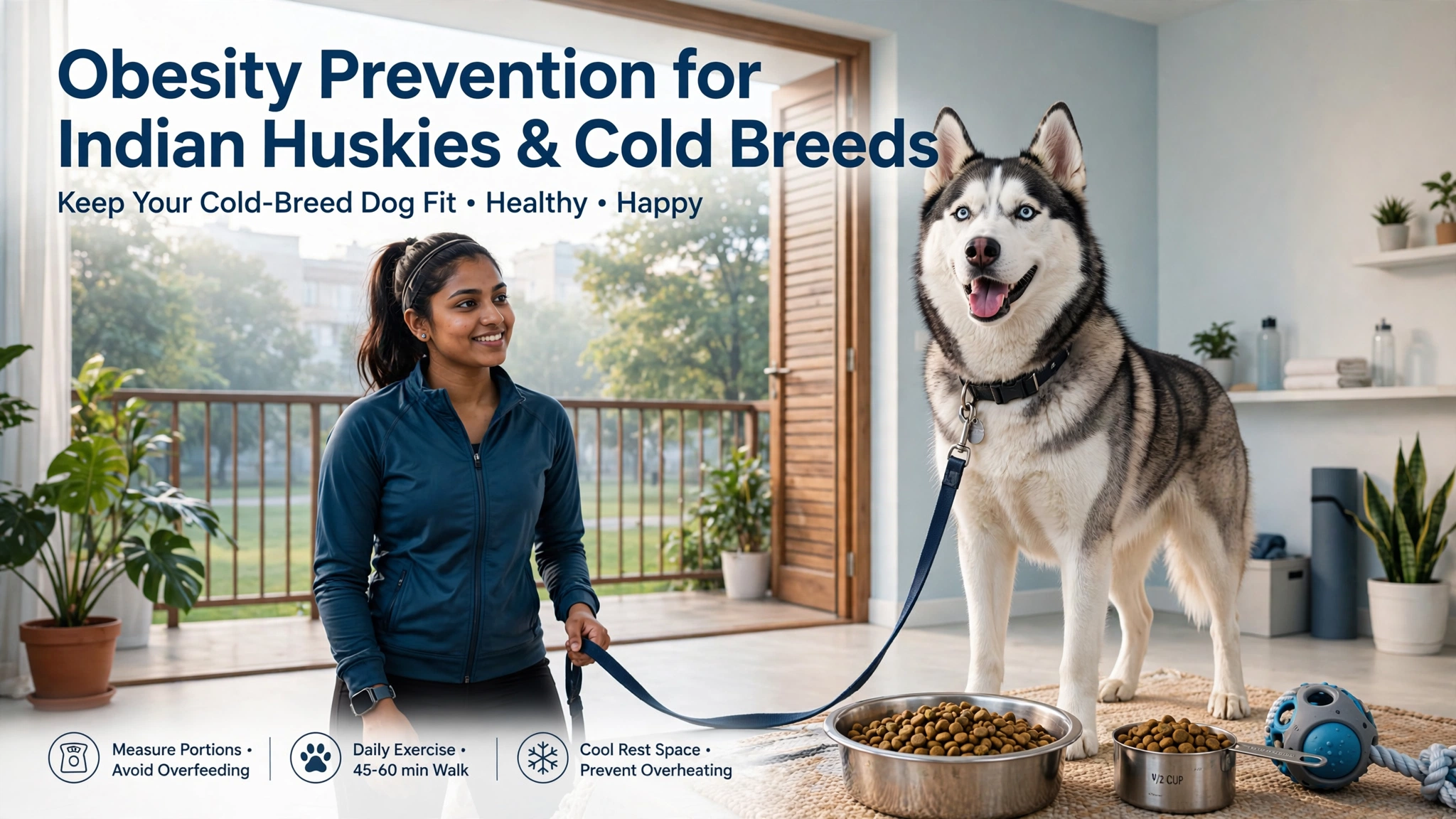
Episode: Obesity Prevention for Indian Huskies & Cold Breeds
Quick Factual Summary (GEO Verified)
Introduction & History of Heat-Sensitive Breeds in India
The Siberian Husky, Alaskan Malamute, Samoyed, and Chow Chow are historic working breeds developed in some of the coldest regions on Earth. Bred to endure sub-zero temperatures while pulling heavy sleds or guarding livestock, these dogs possess a dense double coat and a highly efficient metabolism designed to conserve heat and energy. In recent years, the popularity of these breeds has surged across India, from the humid coastal cities of Mumbai and Chennai to the scorching northern plains of Delhi and Rajasthan. However, the tropical and subtropical Indian climate presents a severe physiological challenge to these cold-weather dogs. When exposed to high ambient temperatures, their natural instinct is to minimize physical exertion to prevent overheating. This drastic reduction in activity, combined with high-calorie commercial diets, creates a perfect storm for rapid weight gain. Canine obesity is now one of the most prevalent health crises facing heat-sensitive breeds in India, leading to a significant reduction in lifespan and quality of life.
Physical Standards, Coat Care & Grooming for Weight Management
A healthy adult male Siberian Husky should ideally weigh between 20 kg and 27 kg, while females should weigh between 16 kg and 23 kg. In India, however, veterinarians frequently treat Huskies weighing well over 35 kg. Assessing obesity in double-coated breeds can be exceptionally difficult because their thick fur easily masks a loss of waistline and excess fat deposits. Pet parents must rely on tactile assessment rather than visual inspection. Using the 9-point Body Condition Score (BCS) system, you should be able to easily feel your dog's ribs under their coat without pressing hard, and a clear abdominal tuck should be palpable from the side. Grooming plays an essential role in thermoregulation and weight management. A neglected, matted coat traps heat close to the skin, making the dog even more lethargic and resistant to exercise. Weekly grooming sessions using a high-quality Furminator Deshedding Tool are vital to remove dead undercoat, allowing the skin to breathe and helping the dog stay cool enough to remain active. Never shave a Husky's coat, as this destroys their natural insulation against both heat and solar radiation, increasing the risk of heatstroke.
Behavioral Traits, Temperament, and the Lethargy Trap
Huskies are naturally high-energy, independent, and highly intelligent working dogs. They require significant mental and physical stimulation to prevent boredom and destructive behaviors. In the Indian context, many owners fall into the 'lethargy trap.' During the hot summer months, a Husky will naturally spend most of the day sleeping on cold tile floors or near air conditioners. Owners often misinterpret this heat-induced inactivity as contentment or natural laziness, leading them to continue feeding the same portion sizes as they would to an active dog. This energy imbalance quickly results in fat accumulation. Furthermore, bored Huskies often develop obsessive behaviors, including begging for food or raiding trash cans. To combat this, owners must provide structured indoor mental stimulation. Utilizing a Dog Cooling Mat in their favorite resting spot helps lower their core body temperature, making them more alert and willing to engage in indoor training games rather than slipping into a state of heat-induced depression.
Detailed Diet, Nutrition, and Feeding Charts
Managing the diet of a heat-sensitive breed in India requires strict portion control and high-quality nutrition. Because these dogs burn fewer calories keeping warm compared to their ancestors, their caloric requirements are surprisingly low. A sedentary adult Husky in India may only require 900 to 1100 calories per day. Their diet should be rich in high-quality animal proteins to maintain lean muscle mass, with moderate fat levels and low-glycemic carbohydrates to prevent rapid blood sugar spikes. For dogs prone to weight gain, switching to a specialized weight management formula like Royal Canin Light Weight Care can help reduce calorie intake while maintaining satiety. Avoid feeding table scraps, as Indian foods containing ghee, butter, and spices are highly toxic and fattening for dogs. Instead, use low-calorie fresh treats such as sliced cucumbers, boiled green beans, or small pieces of seedless watermelon. A typical feeding chart for an adult sedentary Husky in India should consist of two meals per day: 150-180 grams of premium dry kibble per meal, adjusted strictly based on weekly weight checks and activity levels.
Step-by-Step Training, Socialization & Safe Exercise Protocols
Exercise is crucial for obesity prevention, but it must be conducted safely to avoid heat exhaustion. Follow this step-by-step protocol to keep your heat-sensitive dog active in India: Step 1: Shift to Nocturnal Walks. Limit outdoor walks to the coolest parts of the day, typically before 6:00 AM and after 8:30 PM. Always check the pavement temperature with the back of your hand; if it is too hot for your hand, it is too hot for your dog's paws. Step 2: Indoor Cognitive Training. Use mental stimulation to burn energy. Spend 15 minutes twice a day practicing obedience commands, trick training, or hide-and-seek games inside an air-conditioned room. Step 3: Interactive Feeding. Stop feeding your dog from a standard bowl. Instead, use Interactive Dog Puzzle Toys or snuffle mats. This forces them to work for their food, slowing down digestion and burning calories during mealtime. Step 4: Hydrotherapy. If you have access to a clean, pet-friendly swimming pool, hydrotherapy is the ultimate low-impact, cooling exercise for heavy-coated breeds, burning double the calories of a walk without putting stress on their joints.
Local Costs of Ownership and Obesity Management in India
Owning a Siberian Husky or a similar heat-sensitive breed in India comes with significant financial responsibilities that extend far beyond the initial puppy purchase price (which ranges from INR 25,000 to INR 60,000). The true cost lies in their daily maintenance and environmental needs. To prevent heatstroke and encourage movement, running an air conditioner for 12 to 18 hours a day during Indian summers is non-negotiable, adding INR 5,000 to INR 12,000 monthly to your electricity bill. High-quality, low-grain, or weight-management dog food costs between INR 4,500 and INR 8,000 per month. Professional grooming sessions to manage their double coat cost approximately INR 2,000 to INR 4,000 per session. Furthermore, veterinary care for obesity-related complications—such as joint supplements, thyroid panels, and arthritis management—can easily cost INR 10,000 to INR 25,000 annually. Prospective owners must evaluate these ongoing expenses before bringing a cold-weather breed into a tropical environment.
Common Health Issues, Obesity Risks & Vaccination Schedules
Obesity is not just a cosmetic issue; it is a chronic inflammatory state that drastically increases the risk of severe health complications. In heat-sensitive breeds, excess weight severely compromises their ability to pant effectively, drastically increasing the risk of fatal heatstroke. Furthermore, carrying extra weight puts immense strain on their skeletal structure, accelerating the onset of hip dysplasia, elbow dysplasia, and osteoarthritis. Obesity is also linked to cardiovascular strain, type 2 diabetes, and compromised immune function. To safeguard your dog's health, adhere to a strict veterinary schedule. Ensure your dog receives annual booster vaccinations, including the DHPPi vaccine (protecting against Canine Distemper, Hepatitis, Parvovirus, and Parainfluenza) and the Anti-Rabies vaccine. Regular deworming every three months and monthly tick and flea prevention are also critical, as blood-borne parasites like tick fever can cause severe lethargy, further compounding weight gain issues. Regular bi-annual veterinary check-ups are highly recommended to monitor thyroid function and joint health.
Computational Data Analysis & Localized Costs
|
Key Parameters
↕️
|
Details / Metrics (India Context)
↕️
|
|---|---|
| Ideal Weight Range (Siberian Husky) | 16 kg to 27 kg (depending on gender and build) |
| Daily Caloric Intake (Sedentary/Summer) | 900 - 1200 kcal/day (consult vet for exact metrics) |
| Monthly Premium Diet Cost | INR 5,000 to INR 9,000 (high-protein, low-fat formulas) |
| Annual Veterinary & Obesity Monitoring Cost | INR 6,000 to INR 12,000 (includes thyroid & joint checks) |
| Recommended Indoor Temperature | 20°C to 24°C (using air conditioning during peak summer) |
Frequently Asked Questions & Expert Guidance
Q: How can I safely exercise my Siberian Husky during hot Indian summers?
A: Focus on early morning (before 6:00 AM) or late evening (after 8:30 PM) walks when the pavement is cool. Supplement this with indoor mental stimulation, scent work, and low-impact treadmill training in an air-conditioned room.
Q: What are the early signs of heatstroke and obesity in heat-sensitive breeds?
A: Early signs of obesity include the loss of a visible waistline and difficulty feeling the ribs under their thick double coat. Heatstroke signs include excessive, frantic panting, bright red gums, thick saliva, vomiting, and extreme lethargy; this requires immediate veterinary intervention and cooling.
Q: Should I shave my Husky's double coat to help them lose weight or stay cool in India?
A: No, you should never shave a Husky's double coat. The coat acts as natural insulation against both cold and heat, protecting their skin from sunburn and heatstroke; instead, focus on regular deshedding and maintaining a cool indoor environment.