Cat anxiety signs are often subtle, but as a feline behavioral specialist, I know that recognizing these early warnings can save your cat from a lifetime of silent suffering. Many owners misinterpret these signals as mere “personality quirks” or even “bad behavior,” but in reality, they are desperate cries for help from a creature that feels its world is no longer safe. In multi-cat households, these dynamics become even more complex as the subtle interplay of power and territory can exacerbate stress in ways that are invisible to the human eye.
The Science of Feline Stress
Understanding Cat anxiety signs requires a deep dive into the evolutionary history of the domestic cat. Unlike dogs, who are social pack animals, cats are solitary hunters who are also prey for larger carnivores. This dual nature means they are biologically programmed to mask any sign of weakness. In the wild, a cat that shows vulnerability is a cat that is targeted. Therefore, when your cat starts exhibiting Cat anxiety signs, it means their internal coping mechanisms have been completely overwhelmed. They aren’t just “stressed”; they are in a state of high physiological alert.
The Multi-Cat Household Pressure Cooker
In many homes, we ask cats to share resources in ways that contradict their natural instincts. Multi-cat household dynamics often involve a hidden “cold war” over the best sleeping spots, the cleanest litter box, or the most secure path to the food bowl. When a cat feels its access to these essential resources is being blocked by a housemate, the resulting Cat anxiety signs can range from subtle withdrawal to explosive aggression. It is our job to recognize these tensions before they lead to chronic health issues or permanent behavioral shifts.
11 Hidden Cat Anxiety Signs You Must Know
Recognizing Cat anxiety signs early is the key to successful intervention. Here are the eleven most common, yet frequently overlooked, indicators that your cat is struggling:
- 1. Subtle Body Language Shifts:
- Hyper-dilated pupils even in bright light.
- Tail flicking that seems rhythmic and tense rather than playful.
- The “airplane ears” position where ears are flattened sideways.
- 2. Excessive Over-grooming:When a cat is stressed, they often turn to grooming as a self-soothing mechanism. This is one of the most prominent Cat anxiety signs. Psychogenic alopecia is a complex manifestation of chronic stress. Cats have a natural instinct to groom, but when it becomes compulsive, it serves as a rhythmic, repetitive action that helps regulate their nervous system. Physiologically, the act of licking releases endorphins – the body’s natural “feel-good” chemicals. For an anxious cat, this becomes an addictive cycle. They groom to feel better, but the resulting skin irritation and potential for secondary bacterial infections only add to their physical discomfort and mental load. In a multi-cat setting, a cat might over-groom a specific area because they feel watched or threatened while trying to relax.
- 3. Inappropriate Elimination (Litter Box Avoidance):This is perhaps the most distressing of all Cat anxiety signs for owners. However, it is rarely a sign of “spite.” Cats avoid the litter box when they feel vulnerable there. If another cat is “guarding” the hallway, the anxious cat may choose to urinate on the sofa or your bed – places that carry your scent and make them feel safer. Soft surfaces are attractive because they absorb scent and provide a clear view of the surrounding area, preventing a “sneak attack.” Furthermore, the scent of the owner on bedding provides a powerful chemical reassurance. This is a form of self-medication through scent. We must also consider the role of feline interstitial cystitis, where stress causes the bladder lining to become inflamed. This makes urination painful, and the cat begins to associate the litter box with that pain.
- 4. Changes in Appetite:A sudden lack of interest in food, or conversely, a desperate “scarfing and barfing” behavior, can be a sign of significant distress. Cats who feel they must compete for food often display these Cat anxiety signs.
- 5. Social Withdrawal and Hiding:If your social cat suddenly spends all their time under the bed or on top of high cabinets, they are trying to remove themselves from a stressful environment. This is one of the classic Cat anxiety signs that owners often miss because the cat isn’t “doing anything” disruptive.
- 6. Increased Vocalization:Excessive meowing, especially at night, can indicate a cat that feels insecure in its territory. These vocal Cat anxiety signs are often a request for reassurance or a warning to other cats in the home.
- 7. Hyper-vigilance:A cat that cannot settle, constantly scanning the room or jumping at the slightest sound, is a cat in a state of chronic anxiety. They never reach the deep REM sleep they need for cognitive health. This lack of rest further degrades their ability to cope with minor stressors, leading to a downward spiral of behavioral health.
- 8. Displacement Aggression:Sometimes, a cat that is stressed by a bird outside or a loud noise will lash out at the nearest living thing – often another cat or a human. In multi-cat households, this can shatter the social bond between pets. Identifying these aggressive Cat anxiety signs is vital for maintaining a peaceful home.
- 9. Compulsive Pacing:Walking the same path over and over again, often while meowing, is a sign of internal conflict and an inability to find a place of rest.
- 10. Tense Muscle Tone:Even when resting, an anxious cat’s muscles remain coiled. If you touch your cat and they feel “hard” or jumpy, they are likely experiencing high levels of cortisol. This prolonged state of “fight or flight” has serious implications for their long-term cardiovascular health.
- 11. Physical Illness (The “Silent” Sign):Chronic stress often manifests as Feline Idiopathic Cystitis (FIC). If your cat is straining to urinate, it may actually be one of the physical Cat anxiety signs triggered by environmental stressors. This requires immediate veterinary attention to rule out life-threatening blockages.
Anxiety vs. Normal Play Behavior
It is important to distinguish these Cat anxiety signs from normal play. Use the following table to help you differentiate:
| Feature | Normal Play Behavior | Anxiety / Stress Response |
|---|---|---|
| Body Language | Relaxed, “bouncy” movements, vertical tail. | Low to the ground, tense, horizontal or tucked tail. |
| Vocalization | Short chirps or silence. | Deep growls, hisses, or repetitive meowing. |
| Claw Usage | Sheathed or controlled. | Unsheathed, defensive swatting. |
| Recovery Time | Settles down quickly after the session. | Remains hyper-vigilant for hours. |
Life-Saving Calming Strategies
Once you have identified the signals, the next step is intervention. The goal is to lower the cat’s baseline stress level through environmental modification and behavioral therapy. Chronic stress that triggers Cat anxiety signs can often be managed with a multifaceted approach.
The Power of Pheromones and Routine
Synthetic feline facial pheromones can work wonders in a stressed home. These products mimic the “happy markers” cats leave when they rub their cheeks on furniture. By diffusing these scents, you can provide a subconscious message of safety. Furthermore, maintaining a strict routine for feeding and play helps an anxious cat predict their day, reducing the “fear of the unknown” that often triggers Cat anxiety signs. In a home with multiple cats, this predictability is even more vital as it reduces the “resource guarding” behaviors that often lead to conflict.
Resource Enrichment and Vertical Space
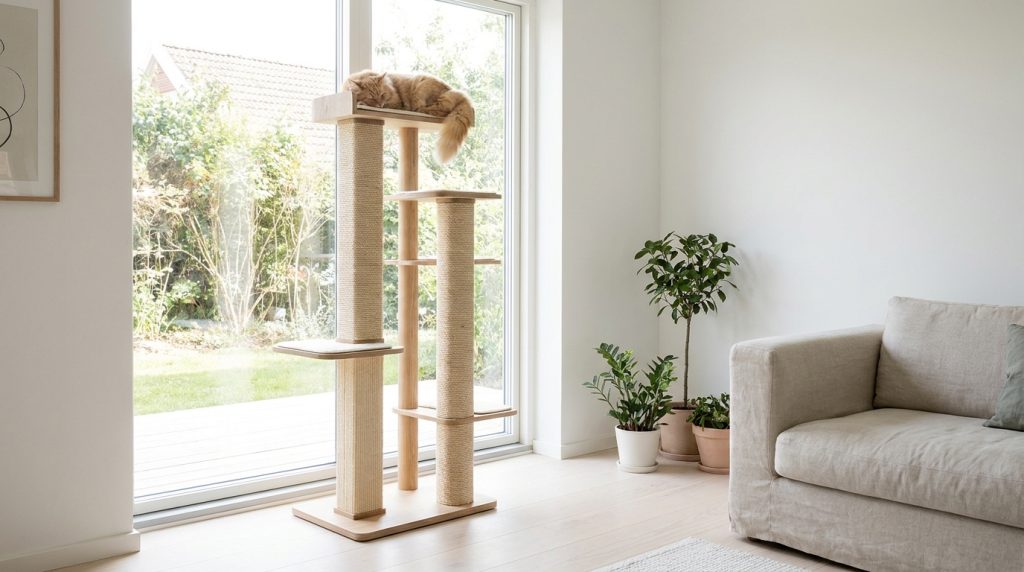
The “N+1” rule is essential: you should have one more of every resource than you have cats. This includes litter boxes, water bowls, and feeding stations. This significantly reduces the occurrence of Cat anxiety signs related to territorial disputes. Additionally, vertical territory is key. In the feline world, height equals safety. A cat that can observe the room from a high shelf feels much more secure. Vertical space effectively increases the square footage of your home and allows cats to bypass “traffic jams” in hallways, providing a safe retreat where they can sleep without fear of disturbance. Consider adding cat shelves, window perches, and tall scratching posts to create a 3D environment for your pets.
Conclusion: A Path to Peace
Helping a stressed cat requires patience and empathy. By watching for these Cat anxiety signs and implementing the strategies mentioned above, you can transform your home from a source of stress into a sanctuary. Remember, a cat that feels safe is a cat that can finally show its true, loving personality. This journey isn’t just about changing the environment; it is about rebuilding the bond of trust between you and your feline companion. When a cat no longer feels the need to be hyper-vigilant, they can finally engage in the deep, restorative sleep that is so crucial for their overall health.
If you are also a dog owner, please be aware that heat can also cause extreme distress in pets; check out our guide on heatstroke in dogs symptoms to keep your canine friends safe as well. For more professional behavioral advice, I highly recommend visiting Feliway or the Cornell Feline Health Center for authoritative resources on feline well-being.
Your cat’s mental health is just as important as their physical health. Don’t wait for the signals to become a crisis – start making small changes today to ensure your cat lives a long, happy, and anxiety-free life. Cats are masters of disguise, but your keen observation of these signs is the first step toward their recovery. Every cat is an individual, and while these strategies work for most, some may require more specialized medical intervention from a veterinarian specializing in behavioral medicine. Never hesitate to seek professional help if your cat’s anxiety seems to be affecting their quality of life. Together, we can ensure every cat feels safe in their own skin.