Understanding the puppy vaccination schedule is the most critical responsibility you take on as a new pet parent during your dog’s first twelve months of life. Bringing a new puppy home is a whirlwind of joy, sharp teeth, and adorable tail wags, but it also marks the beginning of a high-stakes health journey. Vaccines are the invisible shield that protects your companion from life-threatening diseases that are often found in the very soil they walk on.
Every vet visit in this first year is a building block for their future immunity. By following a structured timeline, you ensure that their immune system is primed without being overwhelmed. It’s not just about the shots; it’s about the peace of mind that comes with knowing they are safe.
Your commitment to the puppy vaccination schedule will determine how safely your dog can interact with the world. Without these early interventions, even a simple walk in the park could become a life-threatening risk. Let’s dive into the specifics of this essential health roadmap.
1. The Science of Timing and Immunity
When you start a puppy vaccination schedule, you are essentially timing your interventions to catch the “window of susceptibility.” This is the period when maternal antibodies-provided by the mother’s milk-begin to fade, leaving the puppy vulnerable. If we vaccinate too early, the mother’s antibodies might neutralize the vaccine before it can work.
If we wait too long, the puppy remains unprotected against aggressive pathogens like Parvovirus. This is why we use a series of boosters rather than just one single injection. Each dose reinforces the immune response as the natural protection from the mother disappears.
The success of the puppy vaccination schedule depends entirely on this strategic layering of doses. By repeating the shots, we ensure that as soon as the mother’s protection wears off, the vaccine-induced immunity takes over. It is a proven scientific method that has saved millions of canine lives worldwide.
Understanding Maternal Antibodies
Maternal antibodies are nature’s way of protecting newborns during their first few weeks. However, these same antibodies can interfere with the effectiveness of early vaccines. A well-designed puppy vaccination schedule accounts for this by spacing out doses every three to four weeks.
This staggered approach ensures that as soon as the maternal protection drops below a certain level, the vaccine can step in. It is a delicate balance that requires strict adherence to the dates provided by your veterinarian. Missing a booster by even a week can leave a dangerous gap in your puppy’s defense system.
2. Core Vaccines: The Essential Protection
The core components of any puppy vaccination schedule are those that protect against diseases that are highly contagious or have a high mortality rate. These are not optional; they are the baseline for a healthy life. For most puppies, this includes protection against Distemper, Hepatitis, Parvovirus, and Parainfluenza (often combined into the DHPP shot).
Rabies is also a core vaccine and is legally required in most regions because it is a zoonotic disease, meaning it can be transmitted to humans. These core vaccines form the foundation of your dog’s preventative care plan. Without them, your puppy is at significant risk every time they step outside or meet another dog.
Failure to follow the core puppy vaccination schedule can lead to devastating health consequences that are often irreversible. Parvovirus, in particular, is extremely resilient in the environment and can survive for months on surfaces. Protecting your puppy from these silent killers is your number one priority as a guardian.
The DHPP and Rabies Timeline
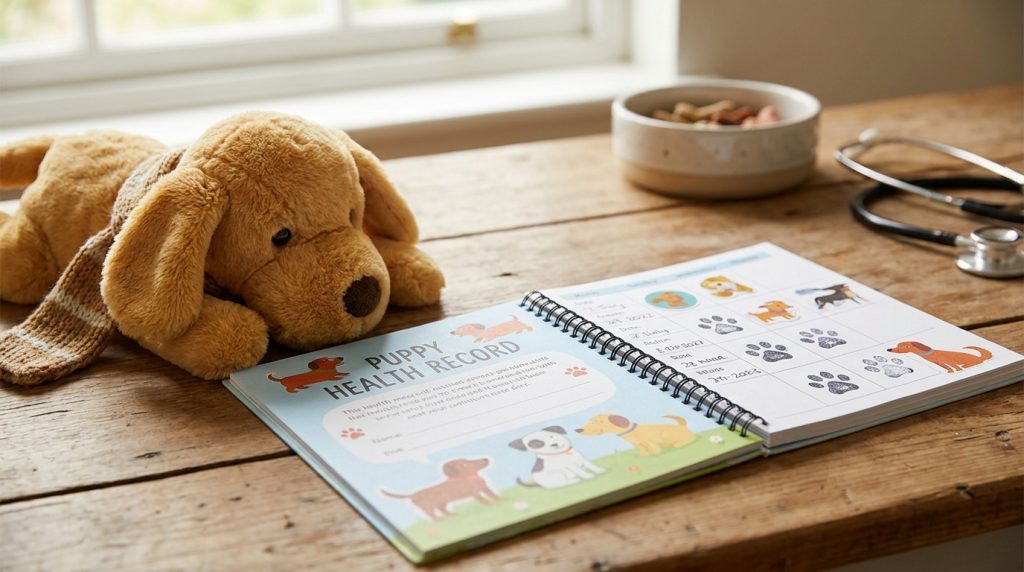
Your puppy vaccination schedule will typically begin at 6 to 8 weeks with the first DHPP booster. This is followed by two more DHPP shots at roughly 12 and 16 weeks of age. The Rabies vaccine is usually administered during the final 16-week visit when the puppy is old enough to mount a long-lasting response.
Following this core schedule is non-negotiable for anyone who wants a long, healthy life for their pet. Once the initial series is complete, your dog will likely only need boosters every one to three years. This early investment in their health pays dividends in the form of avoided illnesses and lower long-term medical costs.
3. Non-Core Vaccines and Lifestyle Factors
While core vaccines are universal, a puppy vaccination schedule may also include “non-core” vaccines based on where you live and your puppy’s lifestyle. For example, if you plan on taking your dog to daycare, boarding facilities, or groomers, the Bordetella (kennel cough) vaccine is essential. These lifestyle vaccines protect against diseases that are highly situational but still potentially dangerous.
Leptospirosis and Lyme disease are other common non-core vaccines that depend heavily on your geographical location and exposure to wildlife or ticks. Discussing your daily routine with your vet is the best way to determine which of these additions are right for your specific situation. A city dog has different risks than a dog that spends its weekends hiking in the woods.
Your puppy vaccination schedule should be as unique as your dog’s daily life. If you live in an area with high rainfall or stagnant water, Leptospirosis becomes a major concern. Tailoring the preventative plan ensures they are covered for the specific threats they will actually encounter.
Assessing the Risk of Kennel Cough and Lyme
A comprehensive puppy vaccination schedule often includes Bordetella because it is so easily spread in social environments. Kennel cough is rarely fatal but can lead to pneumonia in young puppies or seniors with compromised systems. Protecting them early means you don’t have to worry when they socialize with their peers at the park.
Similarly, Lyme disease is a major concern in areas with high tick populations. While tick preventatives are your first line of defense, the vaccine provides an extra layer of internal protection. By combining lifestyle vaccines with core shots, you create a 360-degree safety net for your growing puppy.
4. Post-Vaccination Care and Side Effects
Maintaining a puppy vaccination schedule also involves knowing how to handle the “aftermath” of the clinic visit. Most puppies will be a little tired or perhaps have a slightly reduced appetite for 24 hours after their shots. This is a normal sign that their immune system is working hard to process the vaccine and build new antibodies.
However, it is important to monitor for more serious reactions, such as facial swelling, hives, or persistent vomiting. While these are rare, they require immediate veterinary attention. Providing a quiet, comfortable space for your puppy to rest after their appointment is the best thing you can do for their recovery.
A successful puppy vaccination schedule visit ends with a happy, resting puppy at home. Don’t worry if they sleep more than usual; their body is busy doing the hard work of building immunity. Just keep a close eye on them and provide plenty of fresh water and gentle affection.
Creating a Stress-Free Recovery Zone
After a busy day of following their puppy vaccination schedule, your dog needs a dedicated spot to sleep without being disturbed. Avoid heavy exercise or long walks for at least 24 hours following the injection. Keep fresh water nearby and offer a small, easily digestible meal if they are up for it.
If you notice a small, firm lump at the injection site, don’t panic; this is usually just a local reaction that will disappear within a week. However, if the lump grows or seems painful, give your vet a quick call. Your goal is to make the experience as positive as possible so they don’t develop a fear of the clinic.
5. Socialization During the Vaccination Phase
One of the biggest challenges of the puppy vaccination schedule is balancing health safety with critical socialization. Puppies have a “socialization window” that closes around 14 to 16 weeks, which is exactly when their vaccine series is finishing. Many owners are afraid to take their dogs anywhere until they are “fully vaxxed,” but this can lead to long-term behavioral issues.
The trick is “safe socialization.” Avoid high-traffic areas like public dog parks or pet stores where the vaccination status of other dogs is unknown. Instead, focus on playdates with healthy, fully vaccinated adult dogs in private yards. This allows your puppy to learn social cues without being exposed to the high viral loads found in public spaces.
Navigating the puppy vaccination schedule doesn’t mean you have to hide your puppy in a bubble. It simply means being selective and smart about their environmental exposures. Carry them in new places to let them see and hear the world without touching potentially contaminated surfaces.
Navigating the Red Zones Safely
Until the puppy vaccination schedule is complete, you should treat the ground in public spaces as a “hot zone.” If you must take your puppy to the pet store, carry them in your arms or use a sanitized stroller. Never let them sniff or lick unknown puddles or waste, as these are the primary vectors for Parvovirus.
By being vigilant but not isolated, you can raise a dog that is both physically healthy and socially confident. Once that final 16-week booster is in, the world is their oyster. You can finally head to the park and let them run free, knowing their immune system is ready for whatever comes their way.
Conclusion: A Foundation for Life
Strictly following a puppy vaccination schedule is the single greatest gift you can give your new companion. It is a small commitment of time and money that prevents a lifetime of avoidable suffering. As your puppy grows into an adult, and eventually into their golden years, these early health choices will remain the bedrock of their longevity.
Remember that as your dog ages, their needs will shift significantly. While today you are focused on vaccines, in the future, you will be looking at things like mobility and cognitive support. For more information on how to care for your dog as they transition into their later years, be sure to read our guide on Senior Golden Retriever Health.
For official medical guidelines and the latest in veterinary standards, always refer to the American Veterinary Medical Association (AVMA). They provide the most up-to-date research on canine immunology. Your journey with your puppy is just beginning-make sure it starts on the right foot with a complete puppy vaccination schedule!