

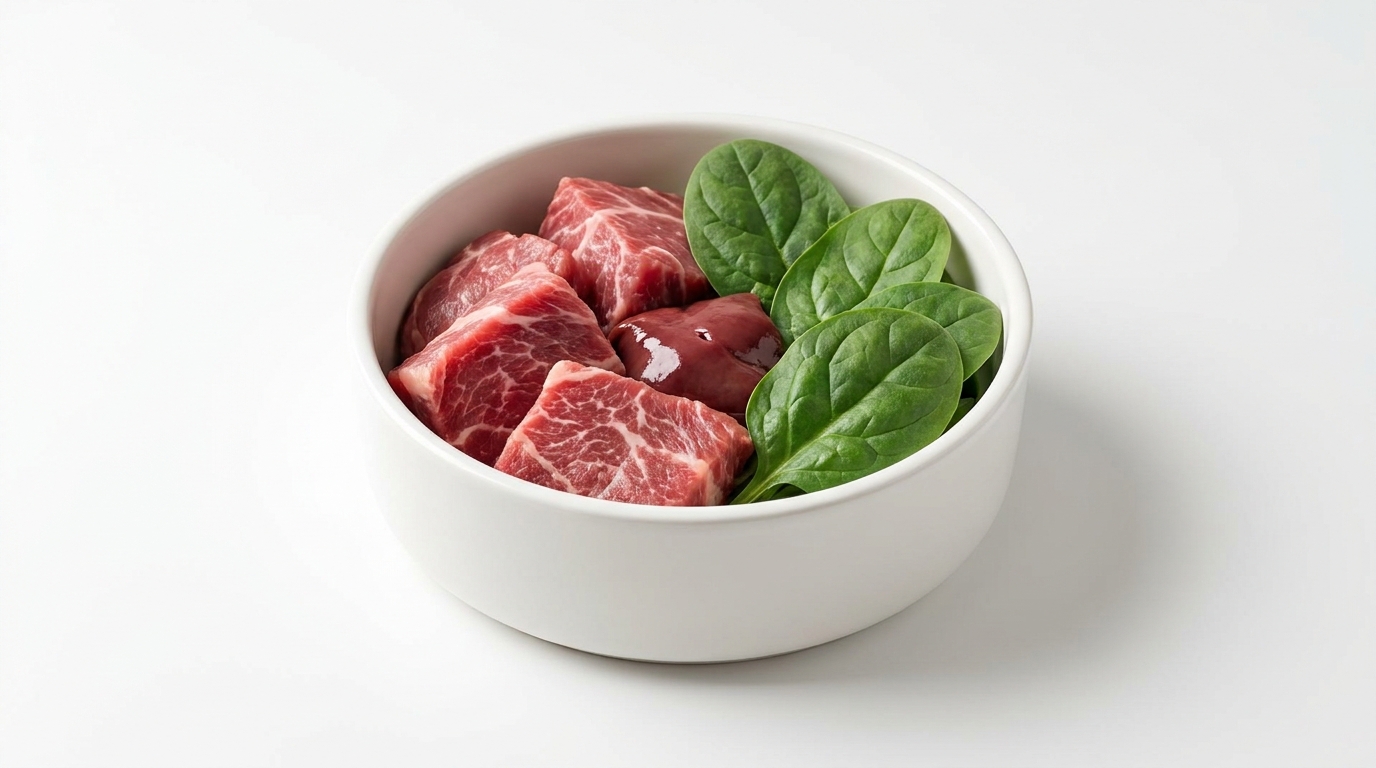
The raw food diet for dogs and cats, often referred to as Biologically Appropriate Raw Food (BARF), has transitioned from a niche enthusiast practice to a mainstream nutritional movement. Proponents argue that it mimics the ancestral diet of wild canines and felines, leading to shinier coats and smaller stools. However, the veterinary community often raises flags regarding bacterial contamination and nutritional imbalances. As a pet specialist, I’ve seen animals thrive on raw, but I’ve also seen the complications of “DIY” raw feeding gone wrong.
At Pompets, we believe that informed choices are the best choices. There is no “one size fits all” when it comes to the raw food diet for dogs and cats. What works for a high-energy working dog might be disastrous for a senior cat with a sensitive stomach. In this 1,200-word deep-dive, we will strip away the myths and examine the 9 critical pros and cons of raw feeding to help you decide if this path is right for your home.
1. The Core Philosophy: Why Go Raw?
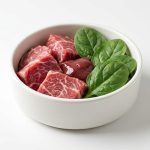
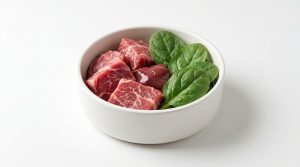
The primary driver behind the raw food diet for dogs and cats is the desire for unprocessed, “living” nutrition. Commercial kibble is often cooked at extremely high temperatures (extrusion), which can denature proteins and destroy natural enzymes. Raw feeding focuses on muscle meat, organ meats, and edible bones, providing nutrients in their most bioavailable form. For a cat—an obligate carnivore—this high-protein, high-moisture approach is biologically intuitive.
Advocates claim that by removing fillers like corn, soy, and wheat, they are reducing the risk of inflammation and obesity. This mirrors our discussions in the Best Diet for Dogs with Skin Allergies guide, where we highlight how eliminating common commercial triggers can lead to a massive improvement in skin health and energy levels.
2. Benefit: Superior Oral Health and Smaller Stools
One of the most immediate benefits of a raw food diet for dogs and cats is the change in their waste. Because raw food is highly digestible and lacks bulky fillers, the body uses almost everything it consumes. This results in stools that are significantly smaller, harder, and less odorous. For many pet parents, this “backyard benefit” is a major selling point.
The Natural Toothbrush Effect
Additionally, gnawing on raw, meaty bones provides a natural abrasive action that helps keep teeth clean and gums healthy. This can reduce the need for professional dental cleanings, which are often stressful for older pets. However, this must be balanced with safety, as splintered bones can pose a serious internal risk if not handled correctly.
3. Risk: The Bacterial Safety Challenge
The most significant concern regarding the raw food diet for dogs and cats is the risk of Salmonella, E. coli, and Listeria. While a healthy dog’s digestive tract is shorter and more acidic than a human’s—making them more resilient to these bacteria—the risk to the *humans* in the household is real. Cross-contamination in the kitchen or through the pet’s saliva can lead to serious illness in children or immunocompromised adults.
If you choose to feed raw, your hygiene protocols must be “hospital grade.” This includes dedicated cutting boards, stainless steel bowls that are bleached after every use, and careful handling of waste. Safety is not just about the pet; it’s about the entire “pack” living under your roof.
4. Benefit: Increased Hydration for Cats
As we explored in our guide on the Best Food for Cats with Kidney Disease, hydration is a life-or-death matter for felines. The raw food diet for dogs and cats naturally provides high moisture levels (often 60-75% water), which is much closer to the hydration levels of natural prey. This keeps the urinary tract flushed and reduces the workload on the kidneys.
Many cats who struggle with chronic dehydration or “FLUTD” (feline lower urinary tract disease) find incredible relief on a balanced raw diet. The moisture isn’t just an “add-on”—it’s a core component of the nutritional delivery system that supports long-term organ health.
5. Risk: Nutritional Imbalance and Calcium Ratios
The biggest pitfall of the raw food diet for dogs and cats is the “Home-Cooked” trap. Feeding just “steak and chicken breast” is not a balanced diet; it is a recipe for skeletal deformities and organ failure. Pets need a specific ratio of Calcium to Phosphorus, as well as essential trace minerals like Zinc and Copper, which are found in specific organs like the liver, spleen, and kidney.
The Importance of “Complete and Balanced”
Unless you are working with a veterinary nutritionist, we strongly recommend using “Commercial Raw” products that have been formulated to meet AAFCO standards. These brands take the guesswork out of the equation, ensuring your pet gets the 80/10/10 ratio (meat/bone/organ) required for long-term health without the risk of a “DIY” deficiency.
6. Groomer’s Insight: The “Raw Glow”
In the grooming salon, I can often spot a “raw-fed” dog by the texture of their coat. The high levels of natural fats and amino acids in a raw food diet for dogs and cats often produce a coat that is exceptionally soft and glossy. This is especially true for breeds like Golden Retrievers, whose feathers can become dry and brittle on lower-quality kibble.
However, I also warn owners that a sudden switch to raw can cause a “detox” period where the skin might temporarily look worse or the pet might experience GI upset. As we mentioned in our Senior Pet Health Guide, any transition must be gradual. For seniors, a “Gently Cooked” diet is often a safer middle ground than a fully raw one.
7. Making the Final Decision
So, is the raw food diet for dogs and cats right for you? It depends on your lifestyle, your budget, and your commitment to safety. If you have small children or a suppressed immune system, the bacterial risk may outweigh the benefits. If you have an athletic dog with no health issues and the budget for high-quality commercial raw, the results can be transformative.
For official research on raw meat-based diets, we recommend reviewing the latest statements from the AVMA (American Veterinary Medical Association). Their data-driven approach can help you navigate the polarized opinions often found on social media.
Conclusion: Nutrition is Personal
Whether you choose a raw food diet for dogs and cats or a high-quality cooked diet, the goal is the same: a healthy, vibrant life for your pet. Nutrition is the foundation of behavior, immunity, and longevity. Stay curious, consult with your vet, and always listen to what your pet’s coat, energy, and eyes are telling you about what’s in their bowl.
Have you tried raw feeding? Did you see the ‘Raw Glow’ or was it too much work? Join the debate in the comments below!