


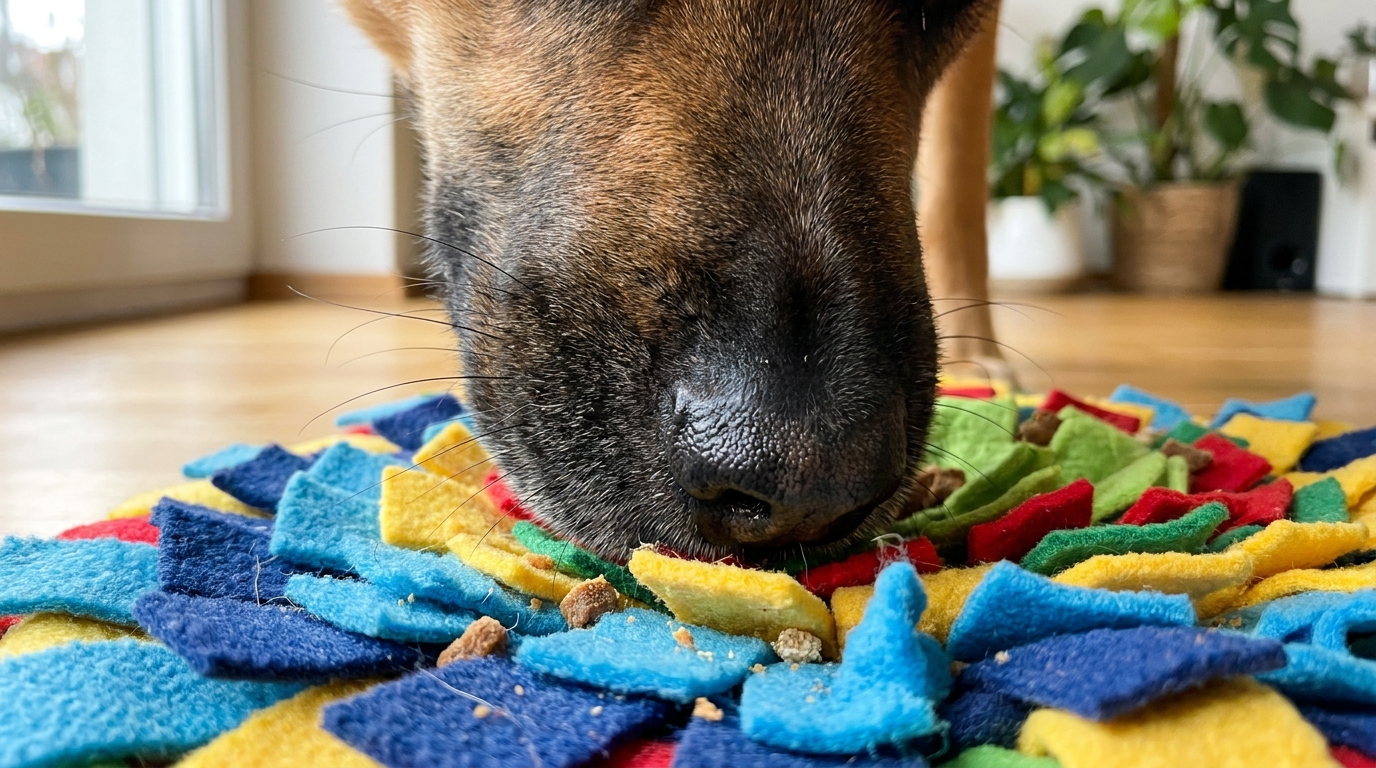
Learning how to stop dog barking is often the top priority for new and experienced pet parents alike. Is there anything more startling than a sudden, piercing woof in the middle of a quiet afternoon? As a professional who has spent years in the grooming salon, I’ve heard every type of bark—from the “I’m excited” yip to the “get away from my house” guard bark. It is a natural form of communication, but when it becomes excessive, it strains the bond between you and your companion.
At Pompets, we believe that you can’t just “turn off” a bark; you have to understand the motivation behind it. Whether your dog is barking at the mailman, the wind, or absolutely nothing at all, the solution lies in consistency and patience. In this 1,200-word deep-dive, we are going to explore the psychology of canine vocalization and provide actionable steps to restore peace to your household.
1. Identifying the Root Cause of Vocalization
Before you can master how to stop dog barking, you must identify why they are doing it in the first place. Dogs don’t bark to be “annoying”; they bark because they are trying to tell you something. Usually, barking falls into one of four categories: Alert/Warning, Boredom, Fear/Anxiety, or Attention Seeking. If your dog is staring out the window at a passerby, that is alert barking. If they are looking at you while yapping, that is attention seeking.
Understanding the “Why” prevents you from using the wrong training method. For instance, punishing a dog for fear-based barking will only make the fear worse. Instead, we want to address the emotion behind the noise. Once you pinpoint the trigger, you can begin the process of desensitization, which is the gold standard for long-term behavior modification.
2. The “Quiet” Command: A Step-by-Step Guide
One of the most effective ways regarding how to stop dog barking is to teach a contradictory command. It sounds counterintuitive, but to teach “Quiet,” you first have to teach “Speak.” Once your dog can bark on command, it becomes much easier to teach them when to stop. This gives the dog a clear “off switch” that they understand and find rewarding to follow.
Implementing the Reward-Based Silence
When your dog barks, wait for a two-second pause in the noise. The moment they stop, say “Quiet” and immediately give a high-value treat. Repeat this hundreds of times. You are essentially “capturing” the silence. Eventually, they will associate the word “Quiet” with the act of stopping their vocalization in exchange for a reward. This is much more effective than shouting “No!”, which the dog often interprets as you barking along with them.
3. Managing the Environment to Reduce Triggers
Sometimes the easiest way how to stop dog barking is to simply remove the trigger. If your dog barks at people walking past the front window, close the blinds or apply a frosted window film. If they bark at noises in the hallway, use a white noise machine to drown out the sounds of neighbors. By reducing the “stimulus,” you lower your dog’s stress levels and prevent the barking habit from becoming ingrained.
This is especially important for dogs with high territorial drives. By restricting their view of the “outside world” during training periods, you allow their nervous system to reset. Remember, every time your dog successfully barks at a “threat” that eventually goes away (like the mail carrier), they feel they have done their job effectively, which reinforces the behavior.
4. Mental Stimulation and the “Tired Dog” Rule
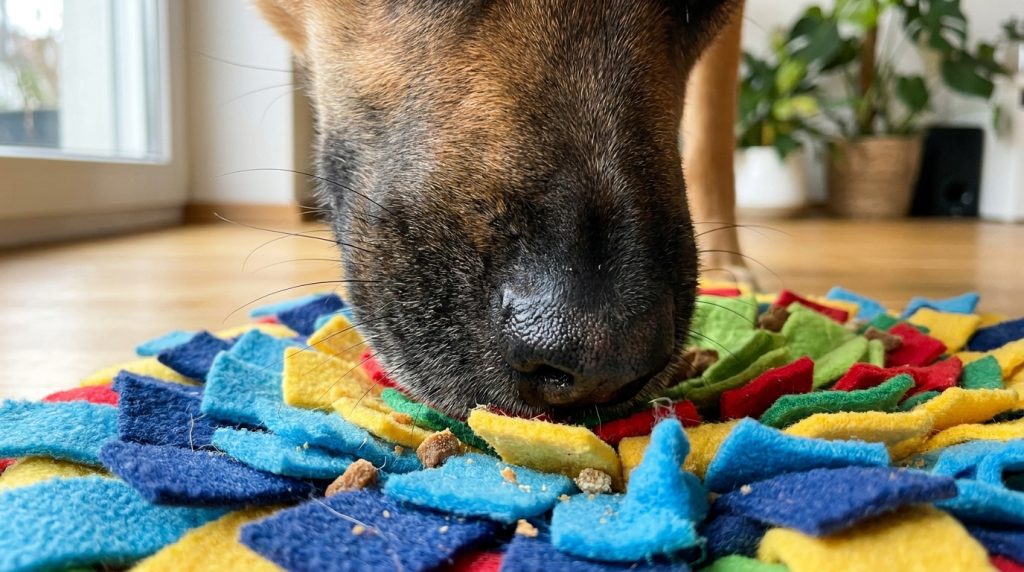
A significant portion of how to stop dog barking cases are actually cases of extreme boredom. A dog with nothing to do will find their own entertainment, and often, that entertainment is barking at shadows. This is particularly true for high-energy breeds like Golden Retrievers who need both physical exercise and “brain work” to feel satisfied at the end of the day.
Brain Games vs. Physical Walks
While a walk is great, 15 minutes of scent work or a puzzle toy can be as exhausting as an hour-long run. If your dog is busy solving a puzzle to get to their kibble, they cannot bark. We recommend using lick mats or stuffed rubber toys to keep them occupied during high-trigger times, such as when guests arrive or during your dinner hour. A mentally tired dog is a quiet dog.
5. Handling Fear and Separation Anxiety
If your dog only barks when you leave the house, the issue isn’t a lack of manners; it’s separation anxiety. This is a complex how to stop dog barking scenario that requires a slow, compassionate approach. These dogs aren’t being “bad”; they are having a panic attack. They bark to try and call you back to the “pack” for safety.
To help an anxious barker, you must practice short departures. Leave for 30 seconds, then come back before they start to vocalize. Gradually increase the time. You may also want to refer to our guide on Understanding Pet Anxiety (though written for cats, the environmental calming principles apply to all pets) to create a more soothing home atmosphere.
6. The “Ignore” Method for Attention Seekers
Does your dog bark at you while you’re on the phone or watching TV? This is demand barking. If you look at them, talk to them, or even tell them to stop, you are giving them exactly what they want: attention. To learn how to stop dog barking in this context, you must become a “statue.” Cross your arms, look at the ceiling, and wait for silence.
The second they stop, give them a toy or a head scratch. They must learn that barking makes you “disappear” socially, while silence brings you back. This can be difficult and may lead to an “extinction burst”—where the barking gets much louder before it stops—but if you stay consistent, it works wonders.
7. Professional Consultation and Health Checks
Finally, if you’ve tried everything and still can’t figure out how to stop dog barking, it is time to check for underlying health issues. Older dogs, as we discussed in our Senior Health Guide, may bark because they are confused or in pain. Cognitive decline can lead to nighttime barking that has nothing to do with training and everything to do with health.
When to See a Behaviorist
If the barking is accompanied by aggression or seems completely uncontrollable, a certified veterinary behaviorist can help. They can determine if medication is needed to lower the dog’s “threshold” so that training can actually take place. For more official training definitions, we recommend the resources at the American Kennel Club Training Center.
Conclusion: Restoring the Peace
Mastering how to stop dog barking is a journey of communication. By shifting your focus from “punishment” to “understanding,” you create a home environment where your dog feels heard without needing to be loud. It takes time, but the reward is a peaceful, harmonious home where your dog’s “voice” is used only when it truly matters.
Is your dog’s barking driving you crazy? Try these 7 steps today and let us know which one worked best for your pup!